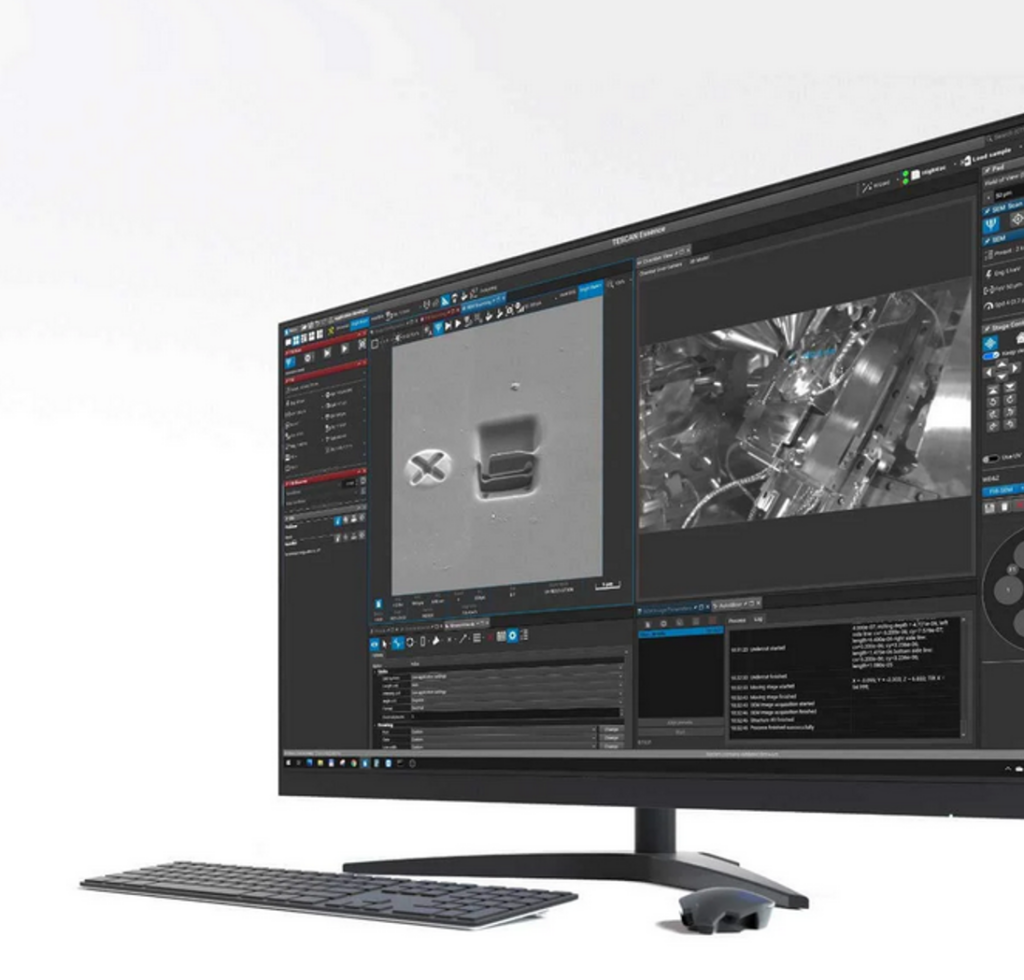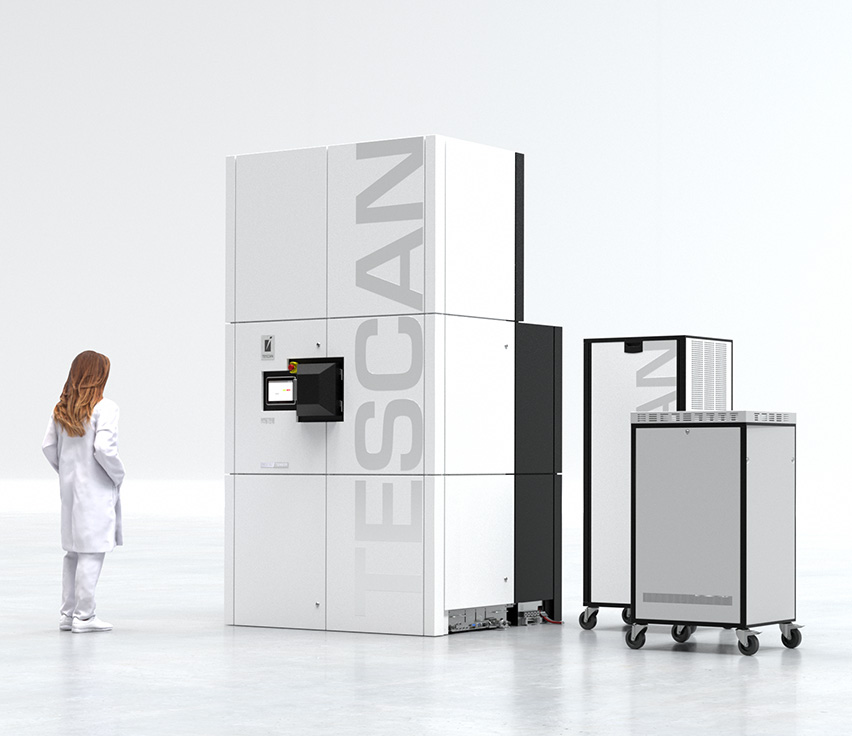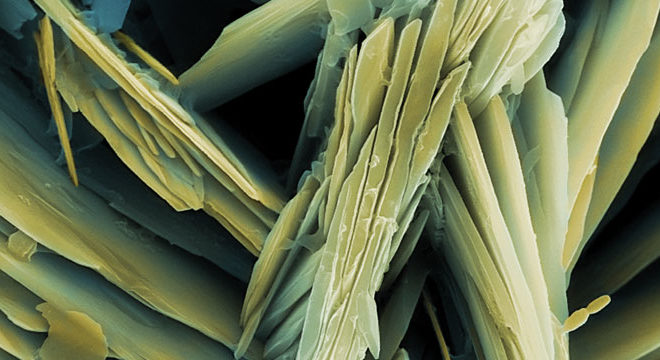
The LYRA 3 GM Nanotechnology FIB-FESEM workstation is the first in its class to integrate a “Time of Flight” secondary ion mass spectrometer and in situ “Atomic Force Microscope” on a FIB-FESEM instrument. The LYRA 3 GM FIB-FESEM can also accommodate a wide range of integrated nanomanipulators and Gas Injection Systems (GIS), and can be configured with a variety of Focused Ion Beam sources, making it one of the most veratile Nano-manipulation and characterization tools in the world.
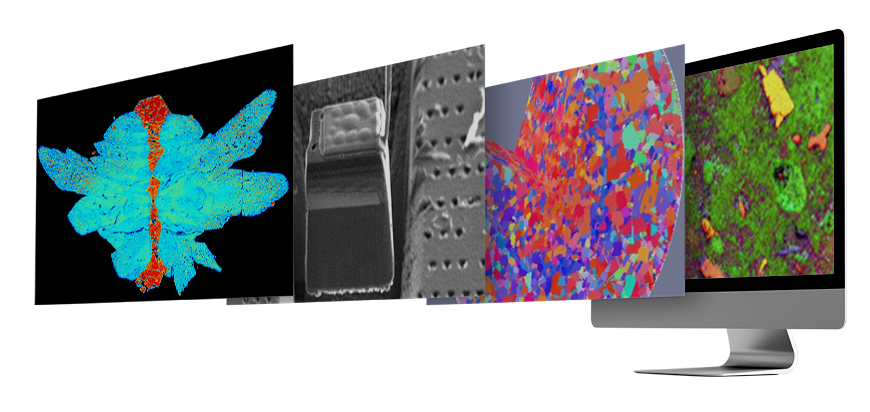
The LYRA 3 GM Nanotechnology workstation provides a unified platform, integrating an unprecedented range of nano- structuring, manipulation, imaging, and analytical tools including high resolution Field Emission Scanning Electron Microscopy (FESEM), a Focused Ion Beam (FIB), Energy Dispersive X-Ray Spectrometry (EDX), Wavelength Dispersive X-Ray Spectrometry (WDX), Electron Backscattered Diffraction (EBSD), Cathodoluminescence (CL), Electron Beam Induced Current (EBIC), Scanning Probe Microscopy (SPM/AFM), and Time-of-Flight Secondary Ion Mass Spectrometry (TOF-SIMS).
In combination the LYRA GM will have the ability to simultaneously do the following Nano-analytical techniques:
-TOF (Time of Flight Mass Spectrometry)
-EDX (Energy Dispersive X-ray Spectroscopy)
-EBSD (Electron Back-Scattered Diffraction)
-Nano-cathodoluminescence
-Nano-EBIC (Electron-Beam Induced Current)
The ability to perform In-situ TOF-SIMS and SPM/AFM will provide unprecedented analytical capabilities. Compared to EDX, TOF-SIMS provides better limits of detection, better spatial resolution, and the ability to detect isotopic and molecular species. Chemical imaging of features smaller than 100 nm and detection of lines as thin as 4 nm have been demonstrated. The integration of an in-situ AFM not only provides roughness information, but will also allow true 3-dimensional chemical images to be reconstructed from SIMS measurements.
The integration of so many complementary analytical tools in one high resolution FIB-FESEM will allow researchers to characterize complex samples and solve analytical problems rapidly without exposing samples to contamination from atmospheric exposure and/or human handling.